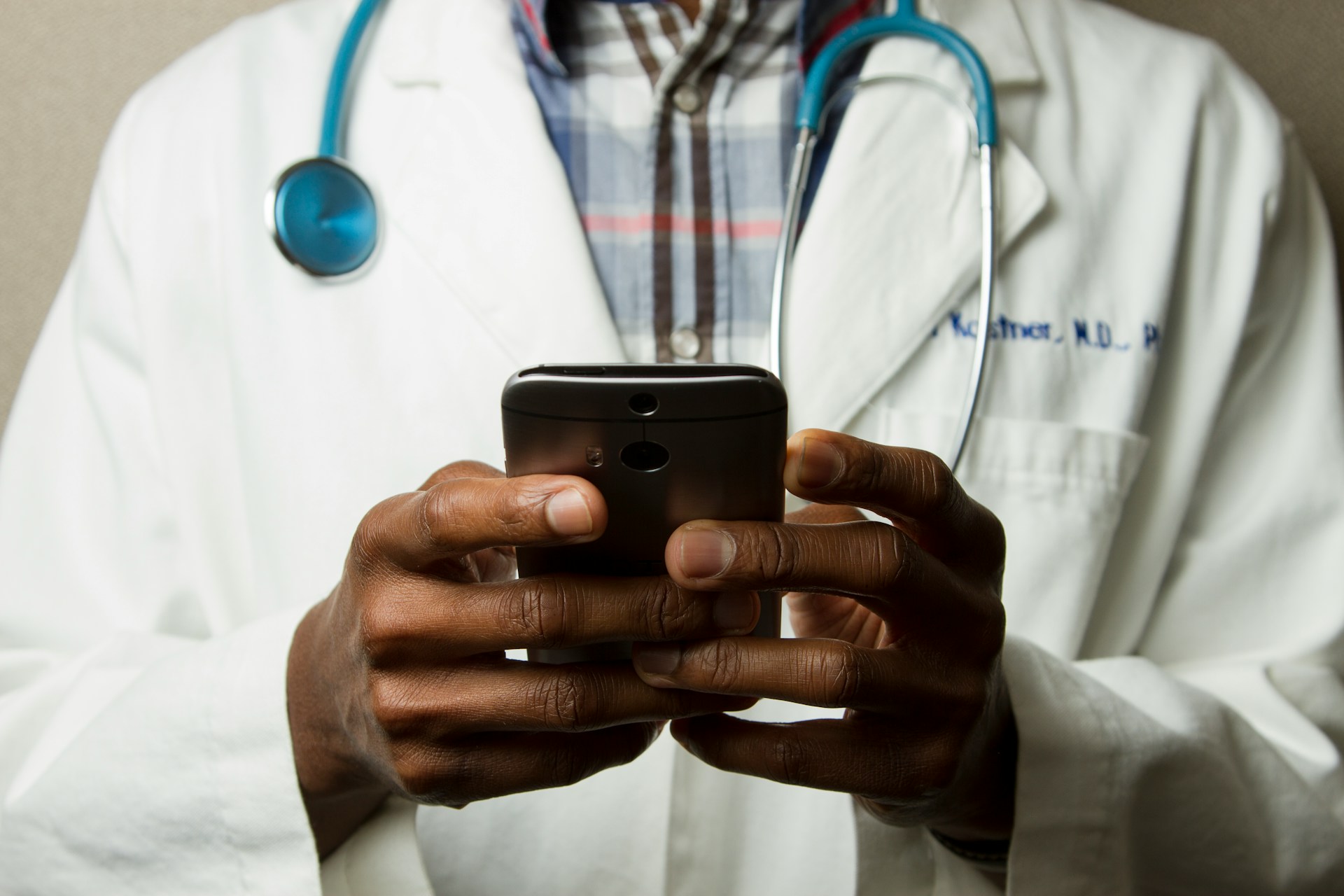
Many healthcare professionals like you are asking the same question: what are the pros and cons for doctors on social media today
Here’s what we know: Medicine is constantly evolving, with new evidence, new treatments, and new technologies. But what has shifted more quietly is patient behaviour. Before booking an appointment, many patients now search online, read reviews, and watch short videos on platforms like Instagram, TikTok, or YouTube. They form opinions before they ever enter your clinic.
Visibility for doctors on social media will not fully replace referrals or credentials, but it increasingly shapes first impressions. This in turn influences authority, trust, differentiation, and career growth in healthcare.
The Importance of Doctors on Social Media
Patients expect transparency. They want to understand how a doctor communicates, what their philosophy is, and whether their approach aligns with their expectations.
Social platforms allow you to share educational insights, clarify misconceptions, and demonstrate clinical reasoning. Medical content creation is not just about advertising, but about visibility and education.
When qualified doctors remain silent online, simplified, or misleading health information often fills the gap. So, your voice matters.
Benefits of Social Media in Healthcare
There are several clear benefits of social media in healthcare when used strategically.
1. Visible Medical Authority
Educational content on social media makes clinical thinking visible. Explaining a condition clearly (especially in under a minute) requires mastery and structure. It signals competence.
Medical content creation will allow you to:
- Share evidence-based insights
- Clarify common misconceptions
- Position yourself within a niche
- Demonstrate your approach to patient care
Your training and experience still matter, and visibility online will reinforce it.
2. Accelerated Patient Trust
Building patient trust online can speed up the process between discovery and consultation.
When patients have already watched doctors on social media explain conditions clearly, consultations often feel more familiar and focused. Expectations are clearer and communication is smoother.
3. Professional Differentiation
In competitive urban markets, many physician profiles look similar on paper.
A strong social media presence will allow you to articulate your treatment philosophy, clinical priorities, and your focus area(s).
Beyond paper qualification, patients are also looking at communication style, and following doctors on social media is the most efficient way to see if there is alignment.
4. Career Expansion Beyond Clinical Practice
Doctors on social media can also tap into opportunities beyond patient care, including:
- Media commentary
- Educational partnerships
- Speaking engagements
- Advisory roles
Historically, institutions shaped a doctor’s public reputation. Today, personal branding allows you greater control over your narrative and positioning.
Risks of Doctors on Social Media
If you’re asking “should doctors be on social media”, you may also asking from a place of concern.
Risks of social media use in healthcare include:
- Breaches of patient confidentiality
- Blurred professional boundaries
- Misinterpretation of medical advice
- Reputational damage
Regulatory bodies such as the American Medical Association and the General Medical Council have issued guidance for doctors on social media, encouraging professionalism, transparency, and clear separation between personal and professional communication.
Ethical standards online mirror those offline: confidentiality, accuracy, and professional conduct remain non-negotiable.
Social Media Professionalism in the Medical Community
Professionalism depends on:
- Avoiding patient-specific advice or examples
- Maintaining clear disclaimers
- Separating personal from professional content
- Following regulatory guidance
Using social media platforms itself is not unprofessional; it is the responsible conduct of doctors on social media that determines professionalism in medical content creation.
Should Doctors Use Social Media?
Social media requires consistency, energy, and more importantly, thoughtful positioning.
You may feel that referrals and institutional reputation may already provide sufficient visibility.
But if you’re in private practice or a competitive market, a strong online presence may significantly enhance differentiation and trust.
The decision to go into medical content creation should be a strategic one.
Does Medical Content Creation Have to Be Time-Consuming?
Your clinical schedule is demanding. Administrative workload is heavy. Energy is limited. The last thing you need is for content creation to feel like a second job.
If it does, the process is inefficient.
You already generate valuable content daily through:
- Repeated patient questions
- Frequently explained conditions
- Common misconceptions corrected in consultations
It’s not about coming up with new ideas, but extracting what you already know in a way that is accessible to the general public.
With the right system, medical content creation becomes integrated into your practice rather than added on top of it.
If you want to see how this works in practice, read our breakdown of how two psychologists built authority through short-form content, including the specific patterns that drive visibility and trust.
Featured image credit: National Cancer Institute on Unsplash